Growing Affinity
Transforming the Body, Transfeminine Well-Being, and Material Culture
My Master of the Arts Thesis-Creation in the Individualized program at Concordia University, located in Tiohtià:ke / Montréal QC CA
Supervised by Dr. Alice Jarry, Dr. Krista Lynes and Aaron McIntosh.
Supported by a Canadian Graduate Scholarship Master’s Award (SSHRC)
and a Concordia University Graduate Award 2023
This Thesis-Creation examines how transfeminine and animal bodies are shaped by medical, industrial, and cultural systems of extraction, care, and transformation. Through gelatin-based semi-living sculpture, material research, and exhibition practice, the project asks how bodies survive being processed by the world, and what forms of kinship, grief, and repair can emerge from that process.
The Dolls
-
![]()
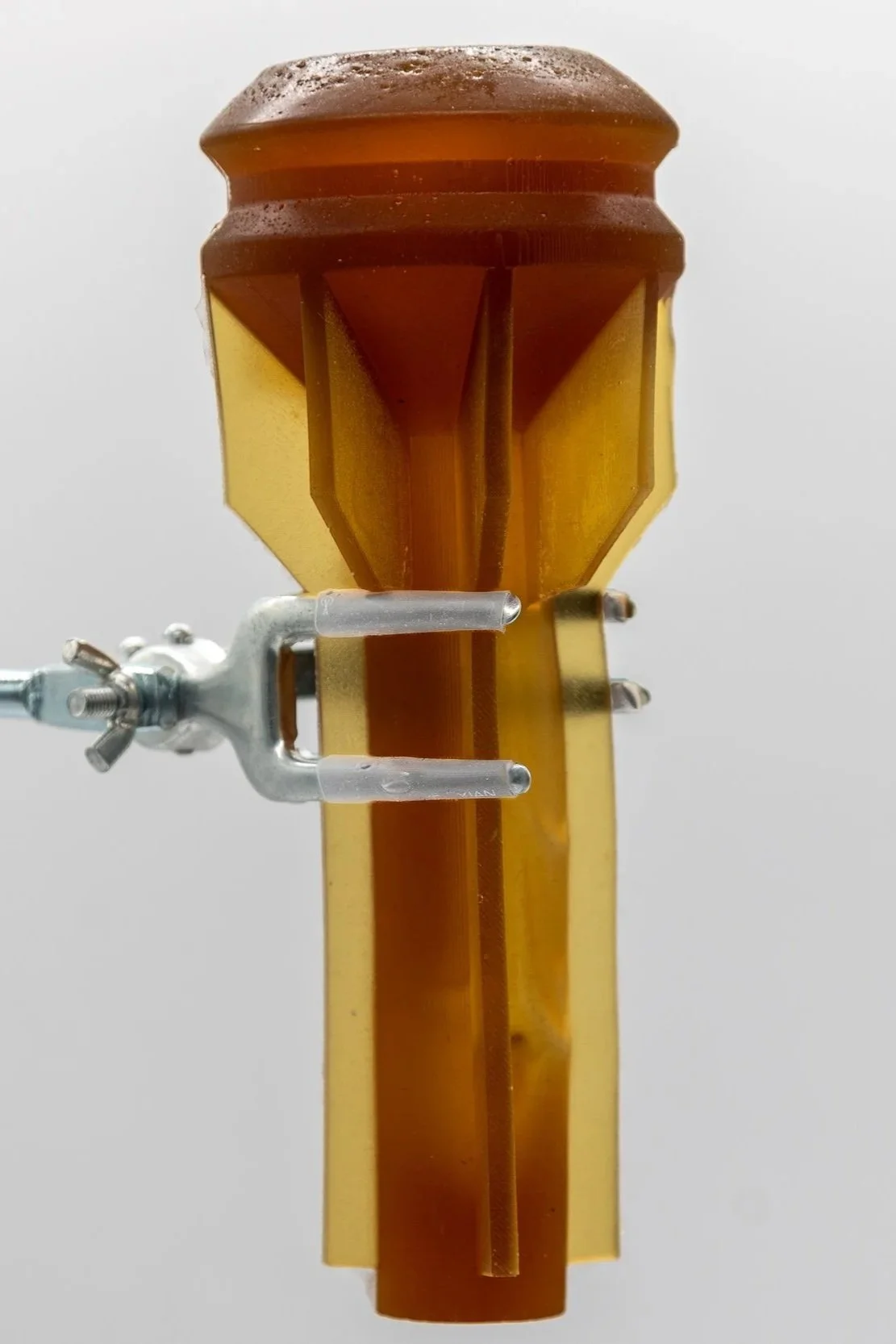
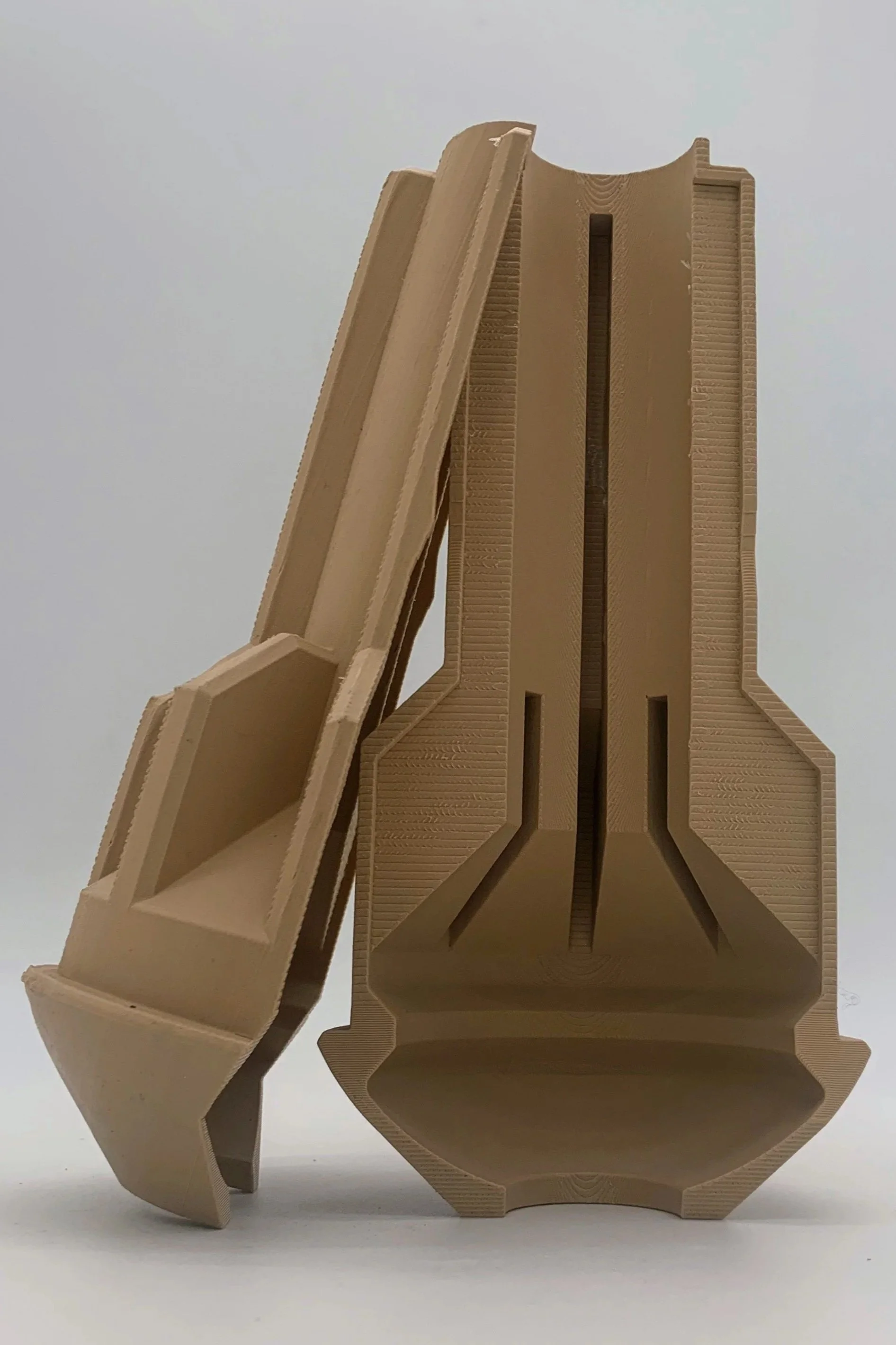
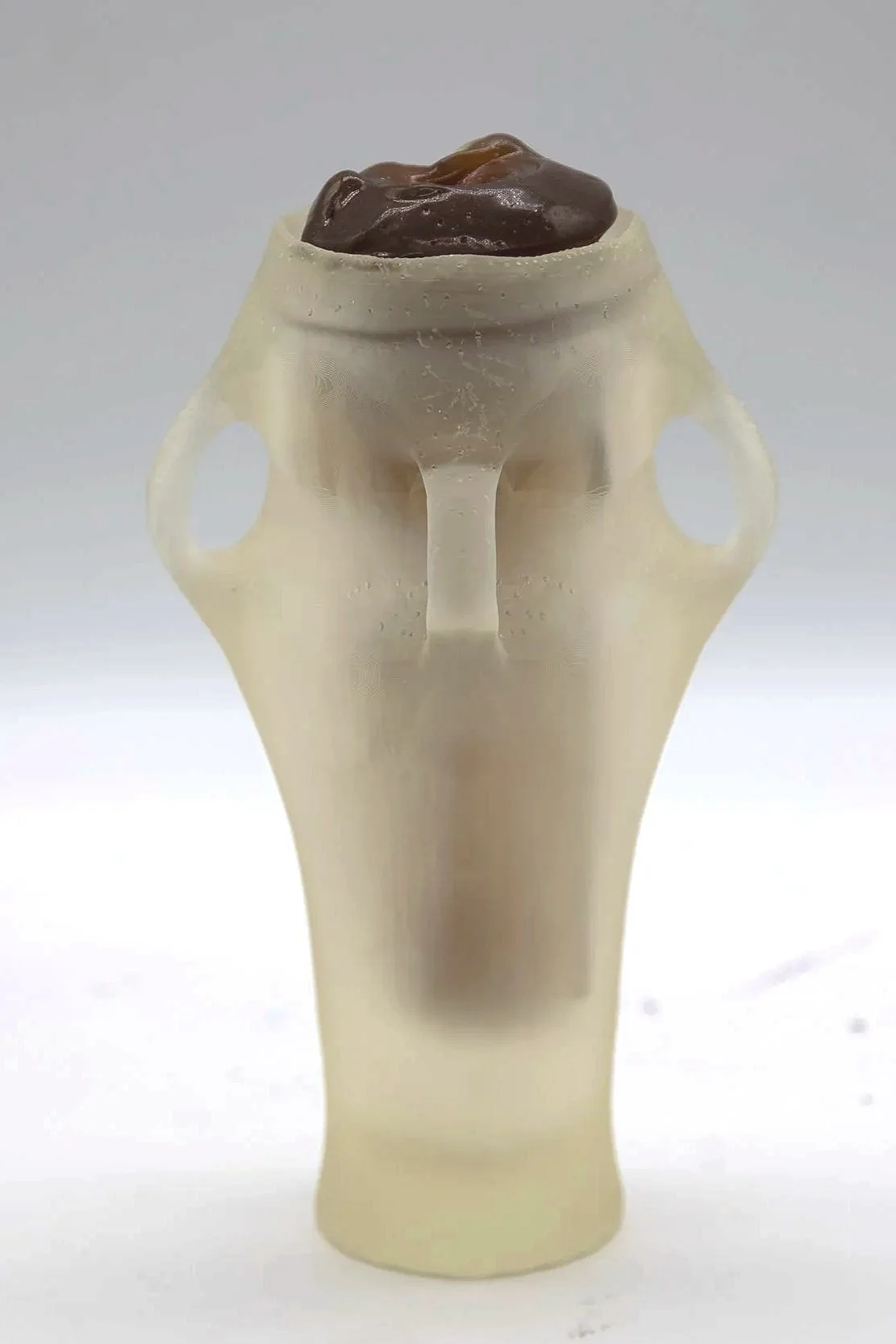
Semi-Living Fleshlight
-
![]()
Ib - weighing of the heart
-
![]()
Femme
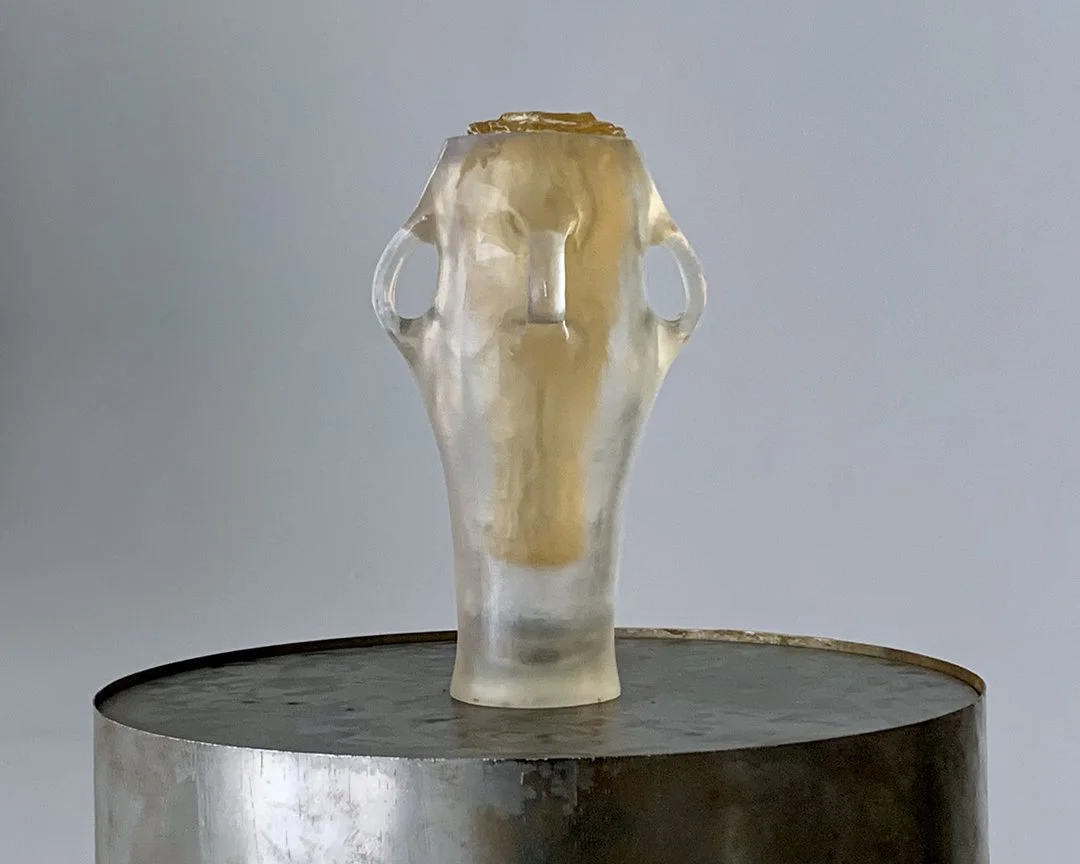
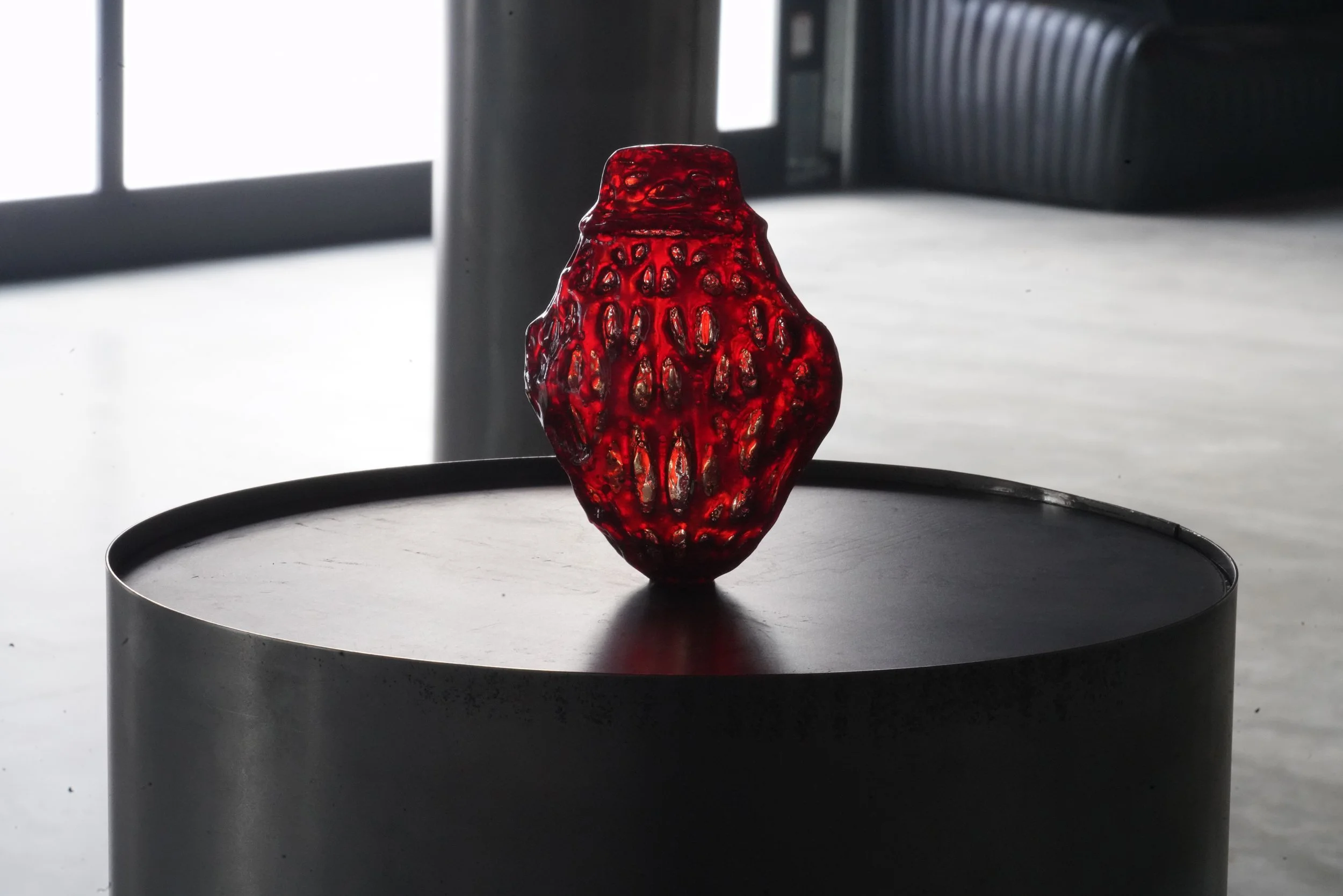
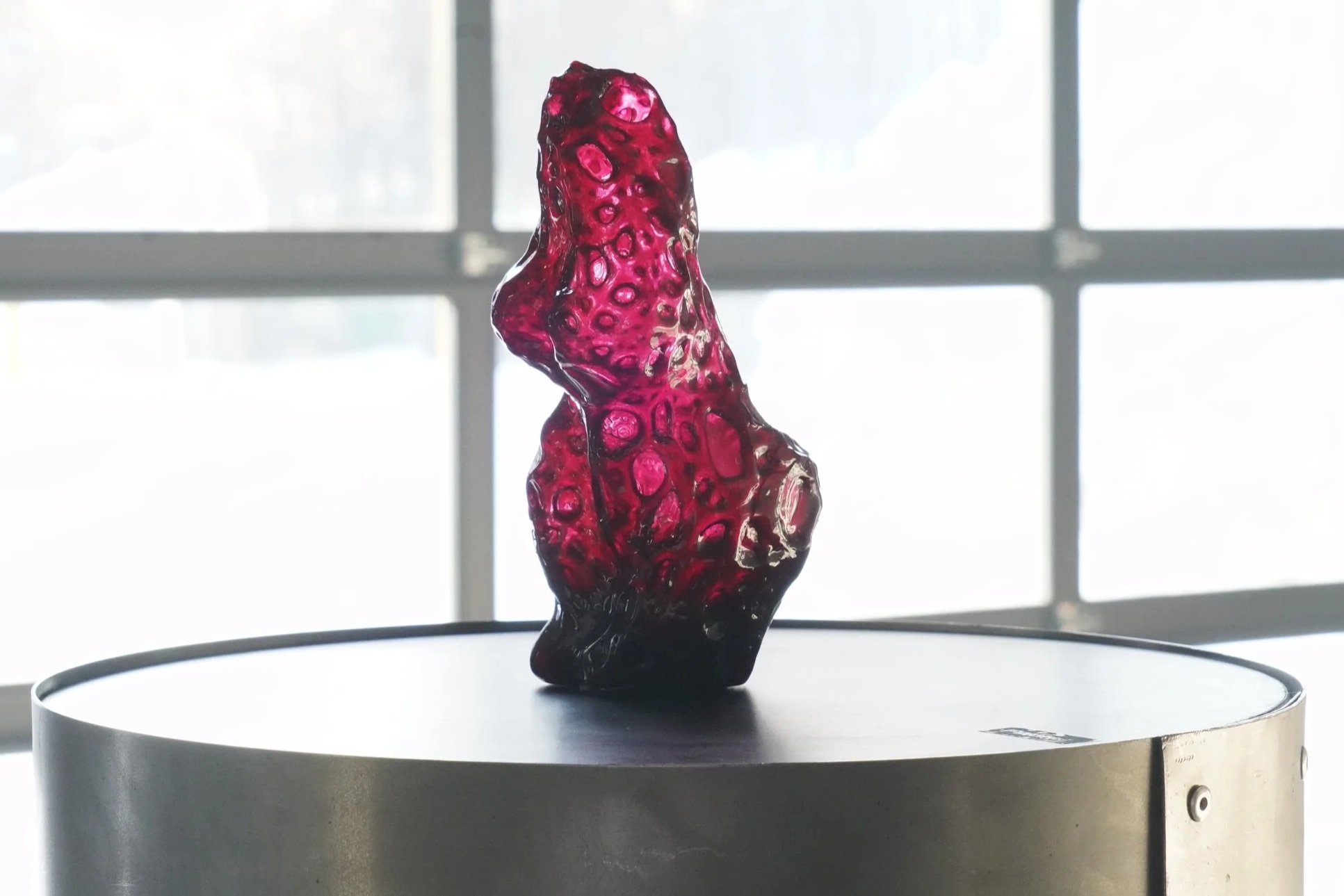
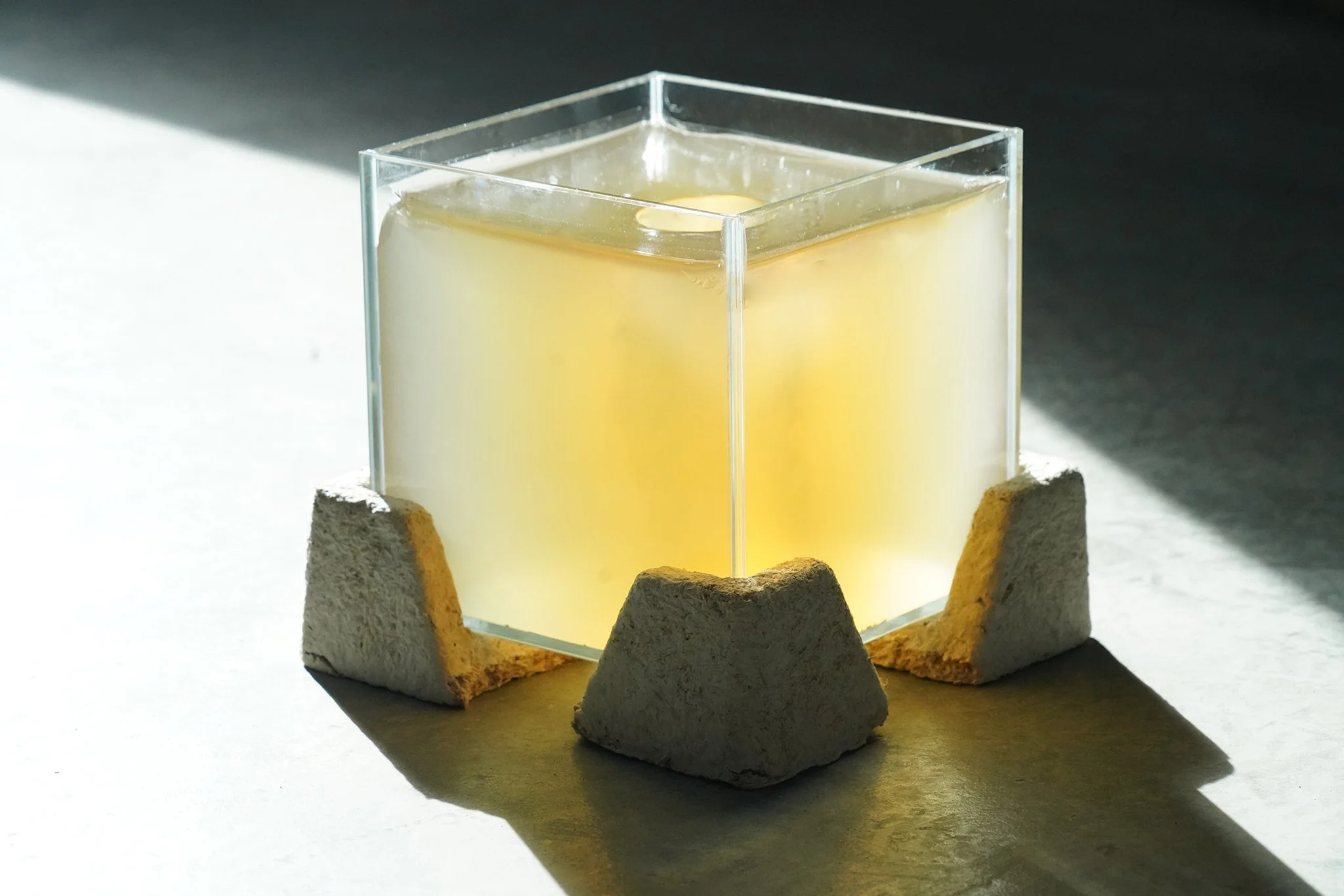
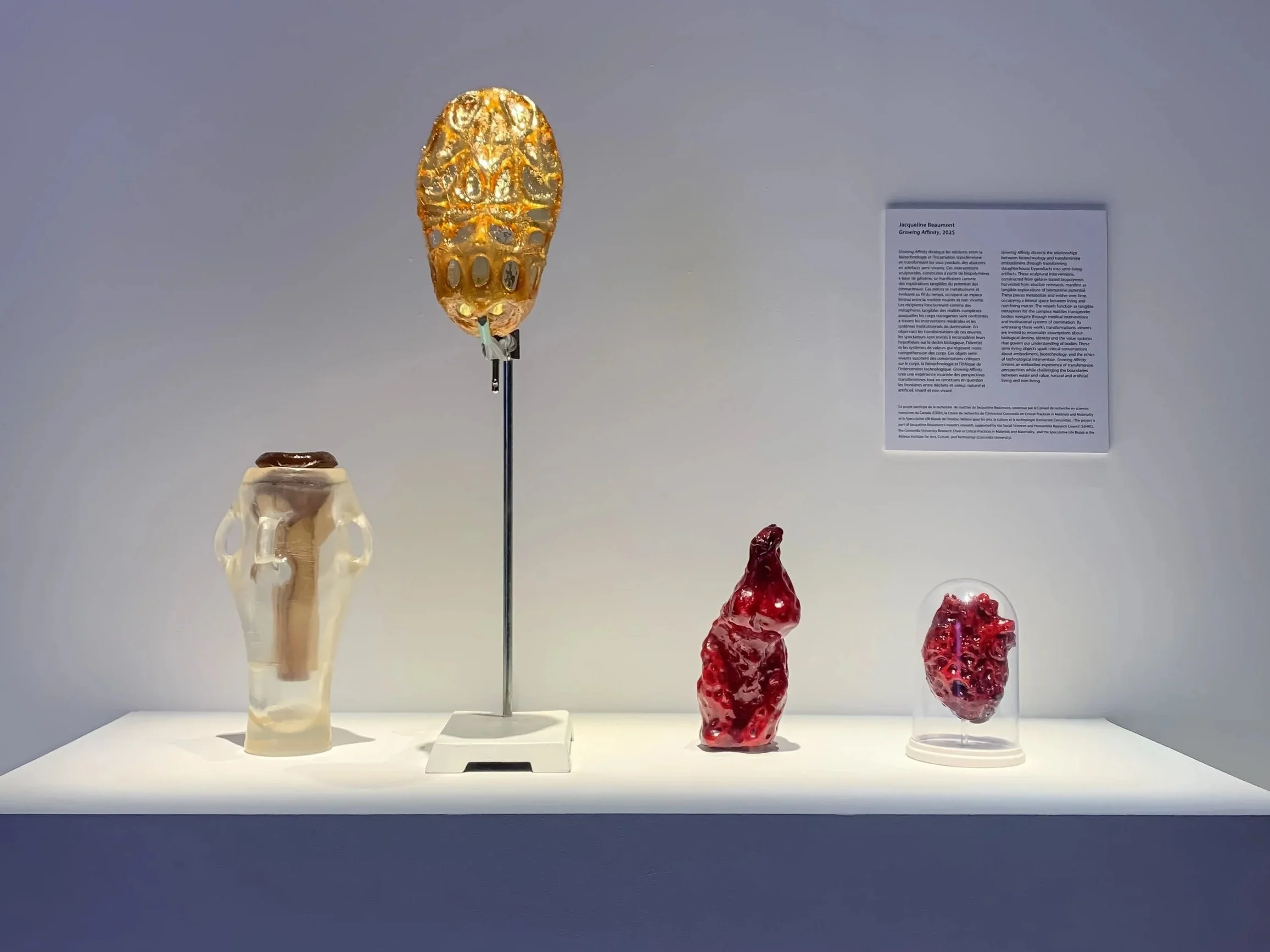
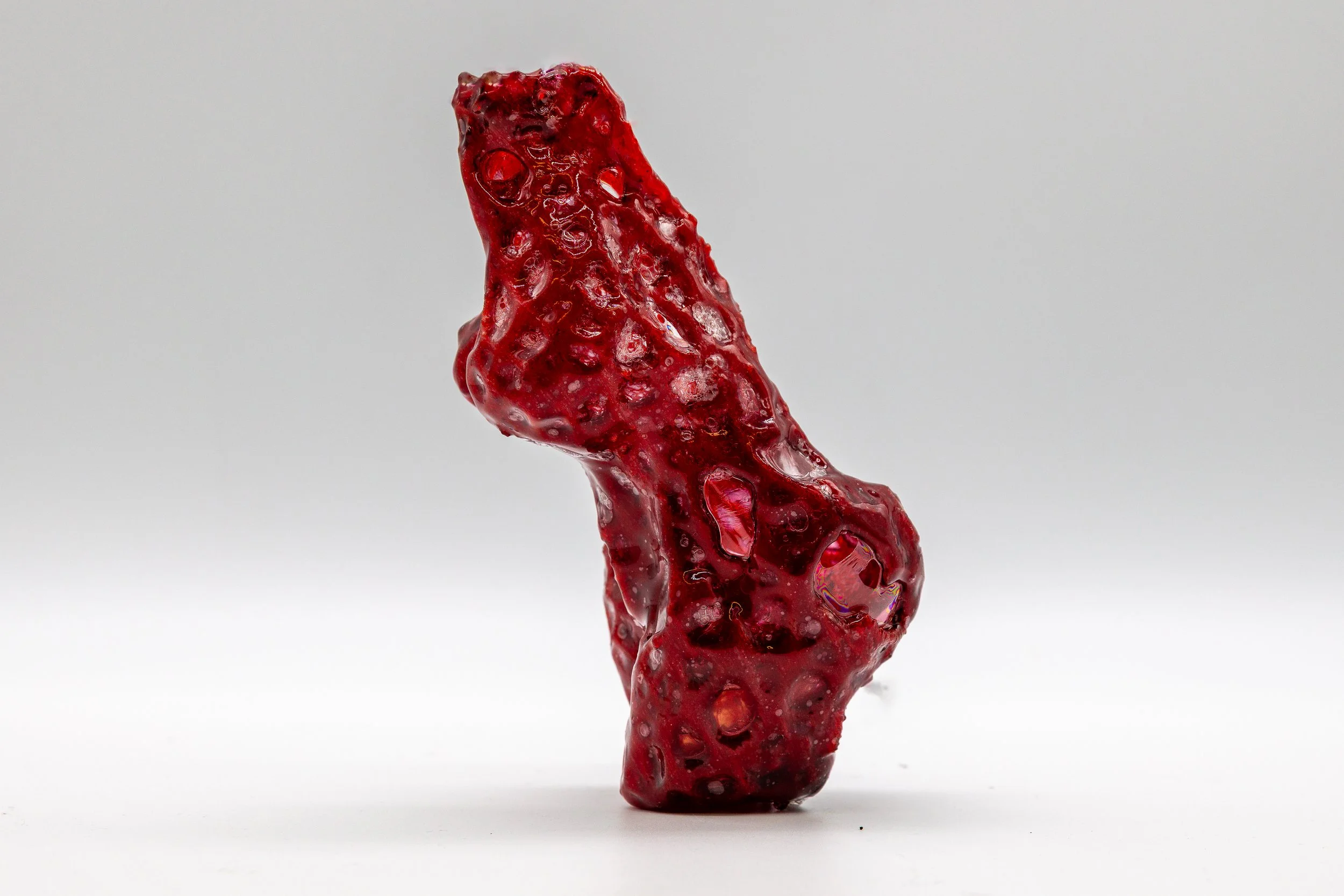
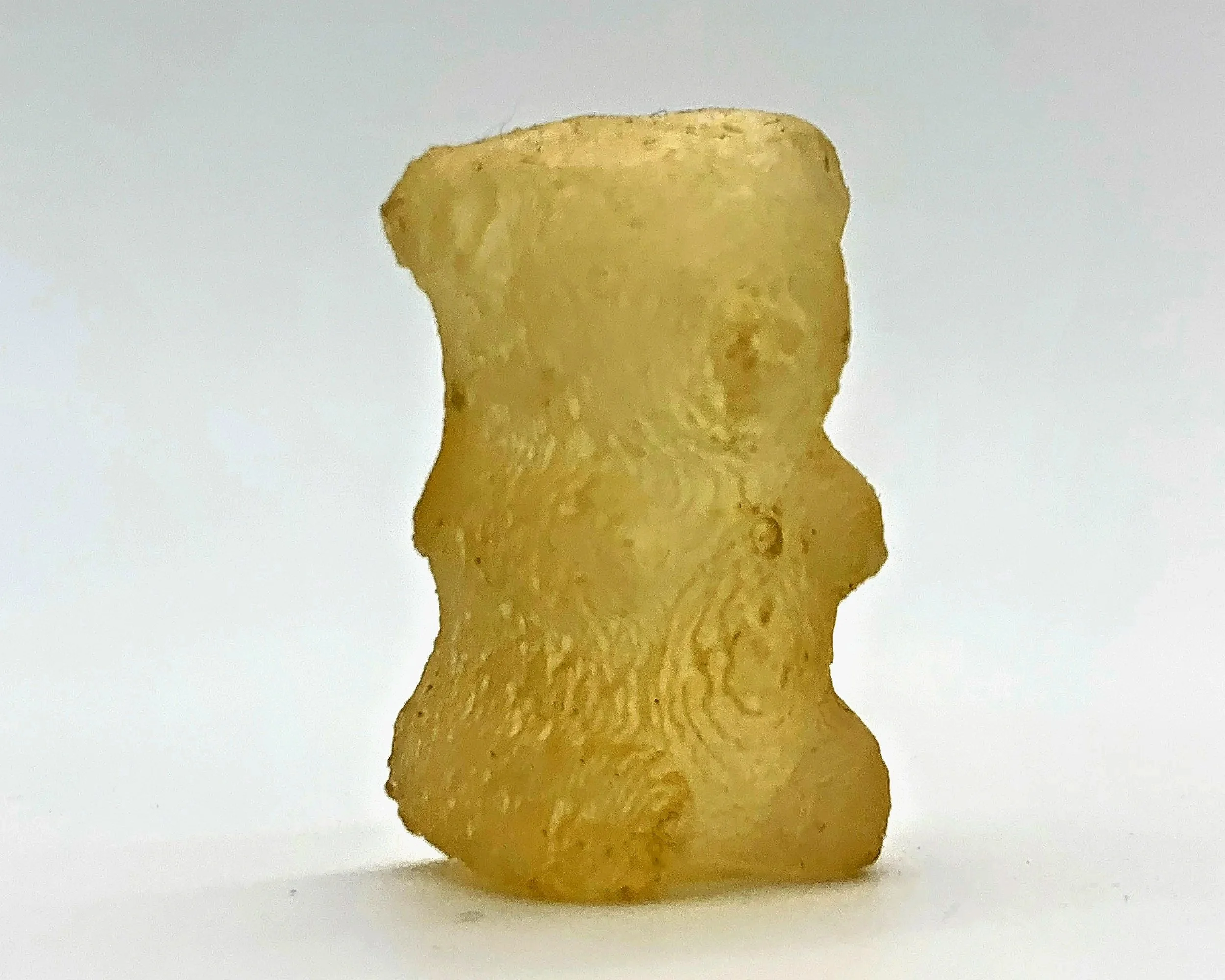
Growing Affinity is a research-creation thesis dissecting how transfeminine bodies are commodified, consumed, and made disposable within material culture, and how a sculptural practice with slaughterhouse-derived biopolymer, gelatin, can metabolize that condition into something else. Working at Concordia's Speculative Life Biolab, I render gelatin from animal remains and cast it into semi-living sculptures, the Dolls, that dry, weep, colonize, and decay under gallery conditions. The thesis develops the “Affective Metabolic Pathway” (AMP), an orientation that courses through five material stages, extraction, clarification, concentration, recomposition, and incarnation, and holds two senses of affect at once: the pressing intensity of harm, and the affection nurtured through surviving it together. AMP is offered as a description of metabolic processes already underway, what I name metabolic solidarity, rather than as a therapeutic narrative. Across the exhibition Panacea (Espace Transmission, 2026), its counterpart Oscillation (Canadian Cultural Centre, Paris, 2025), and the DEMO69 publication, I test what AMP can and cannot account for when the work meets bodies, breath, and community. The panacea offered here is a material practice of affection, not a cure for otherness.

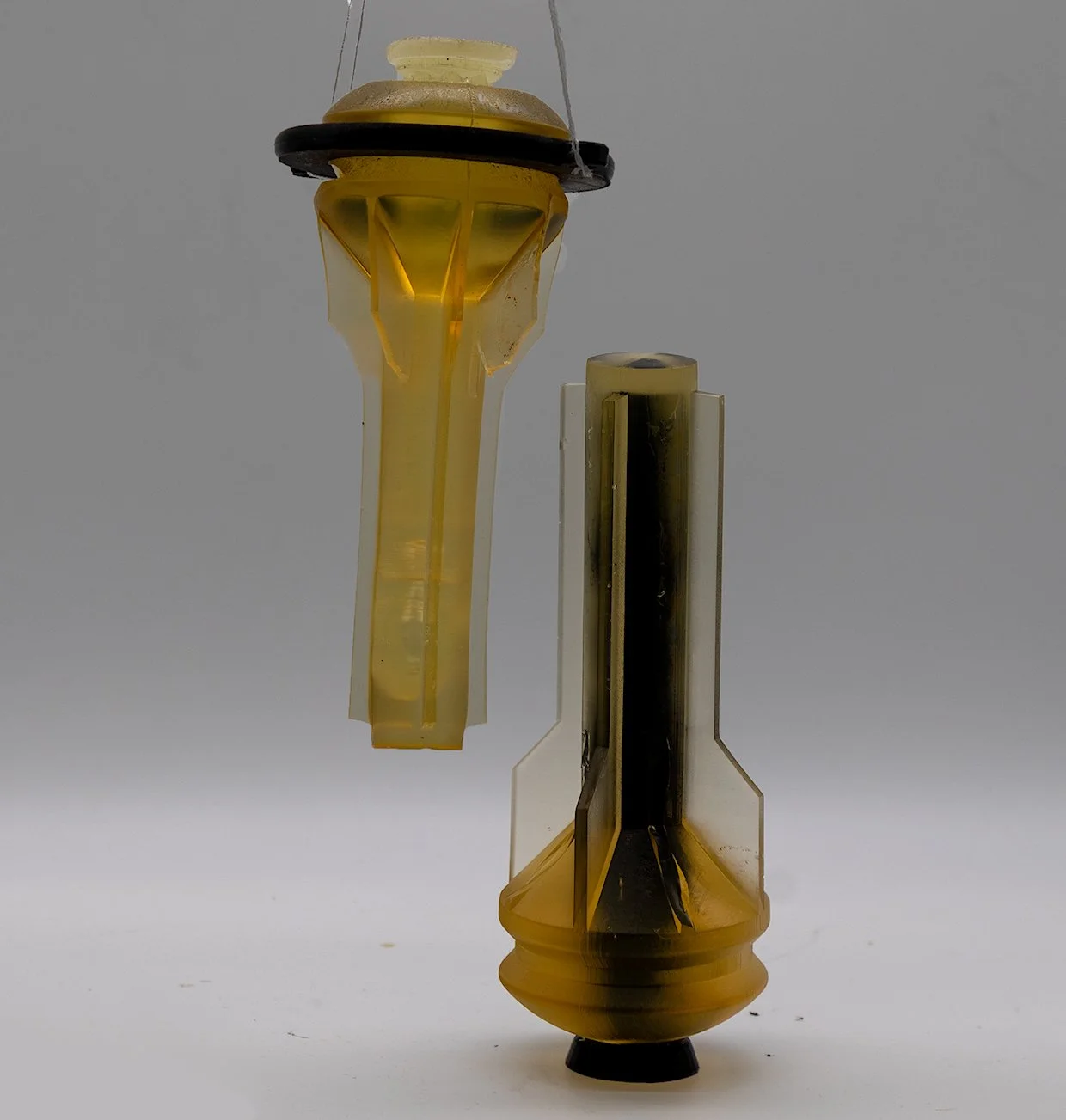
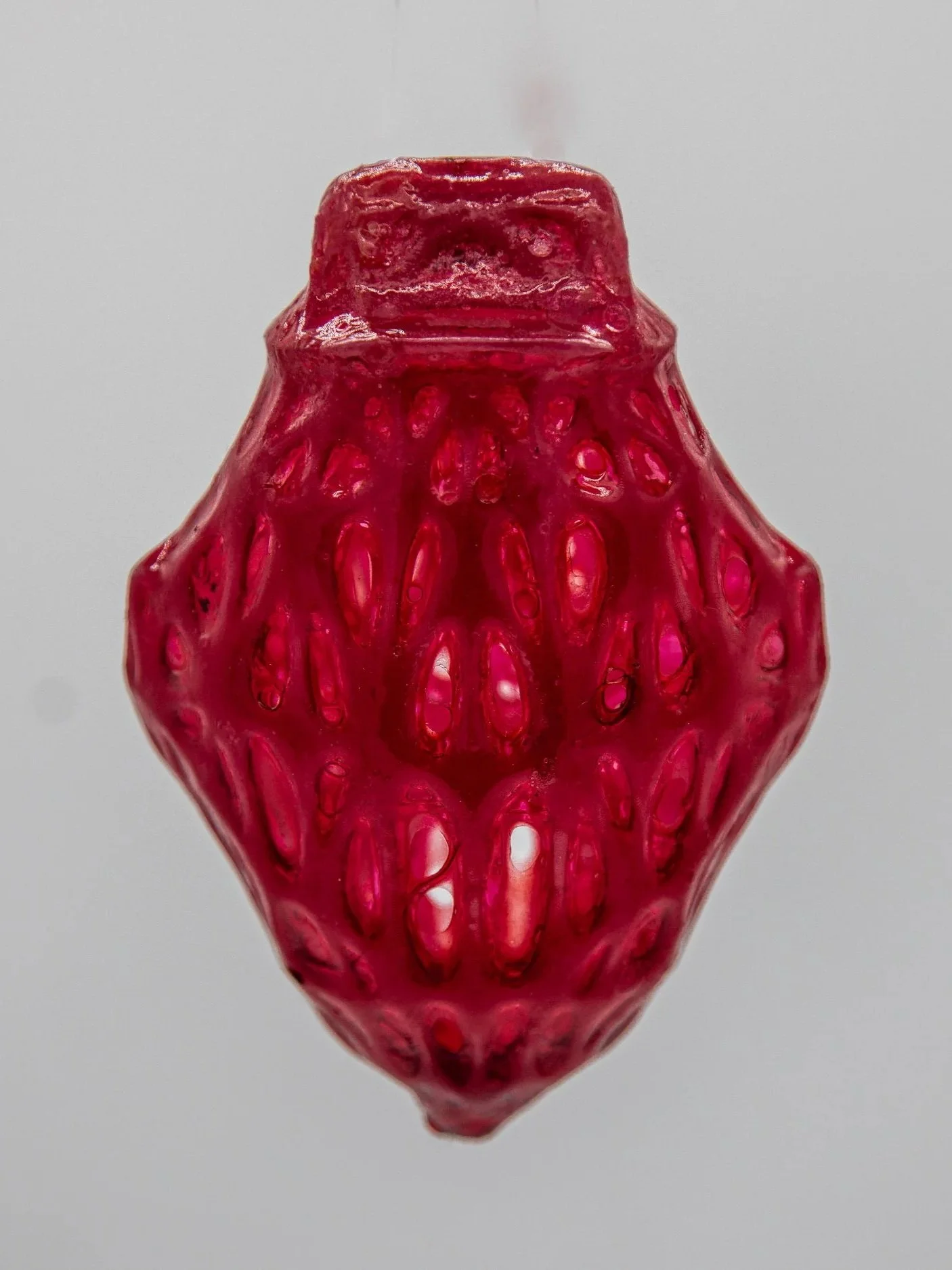
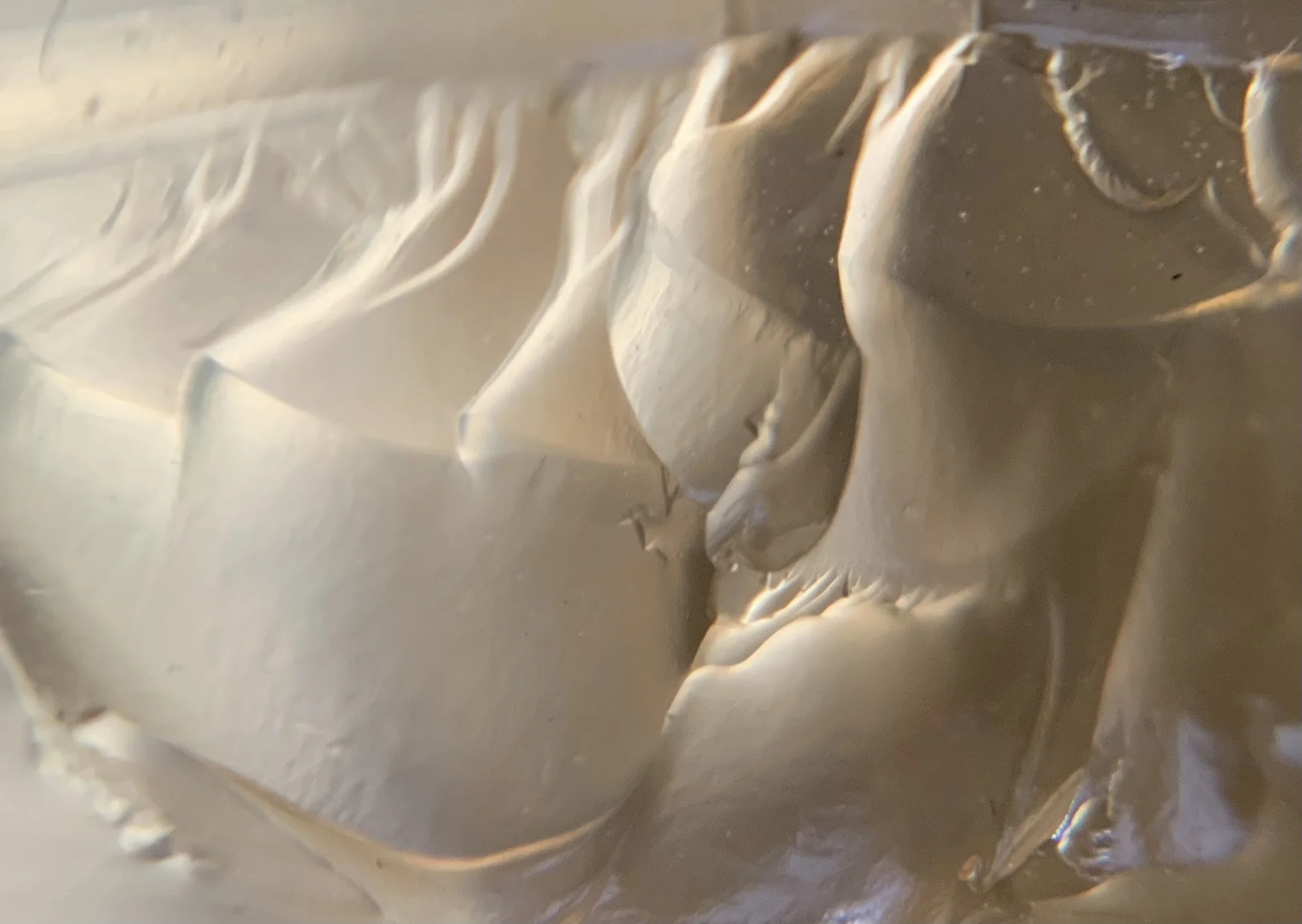
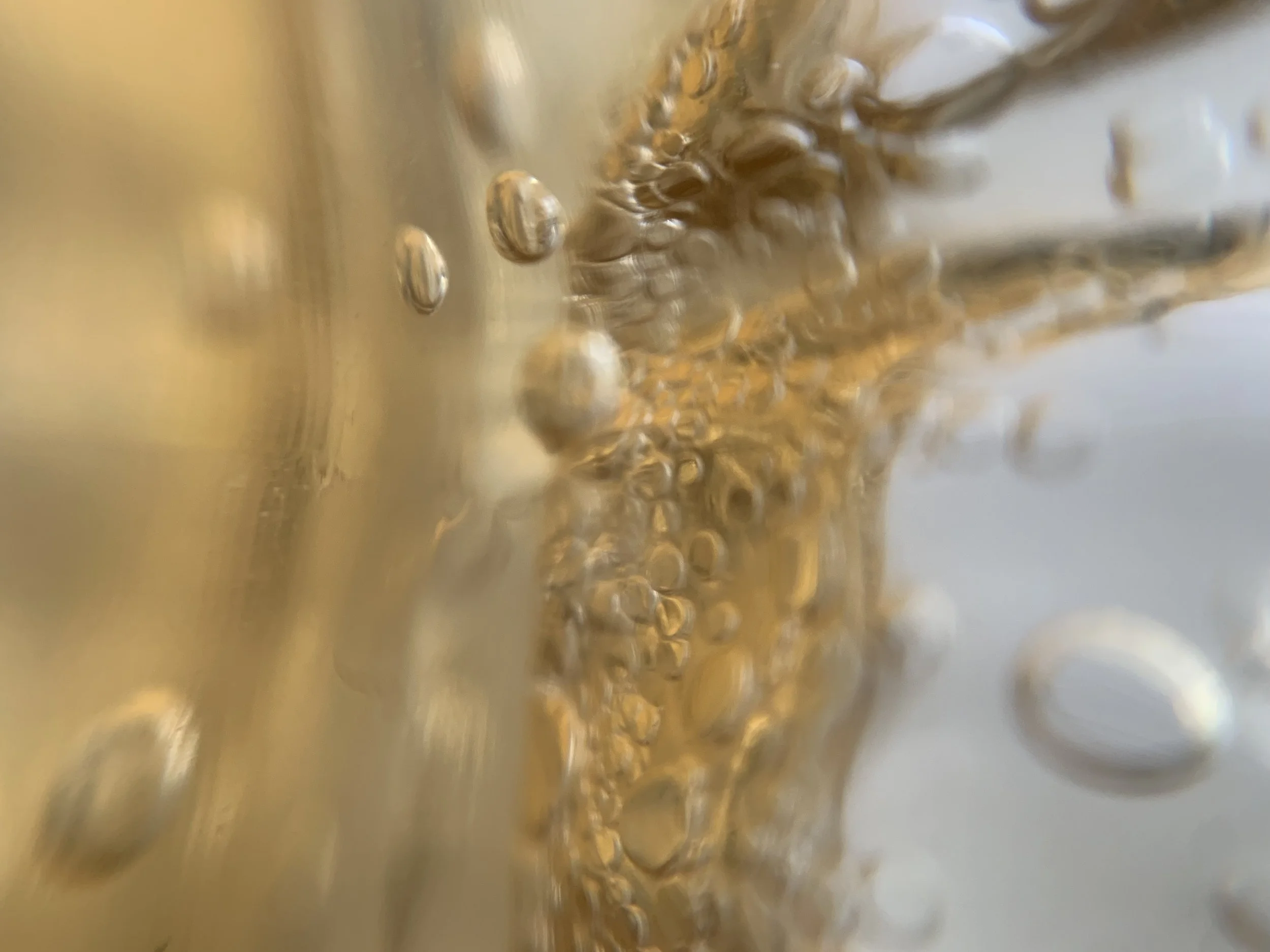
-
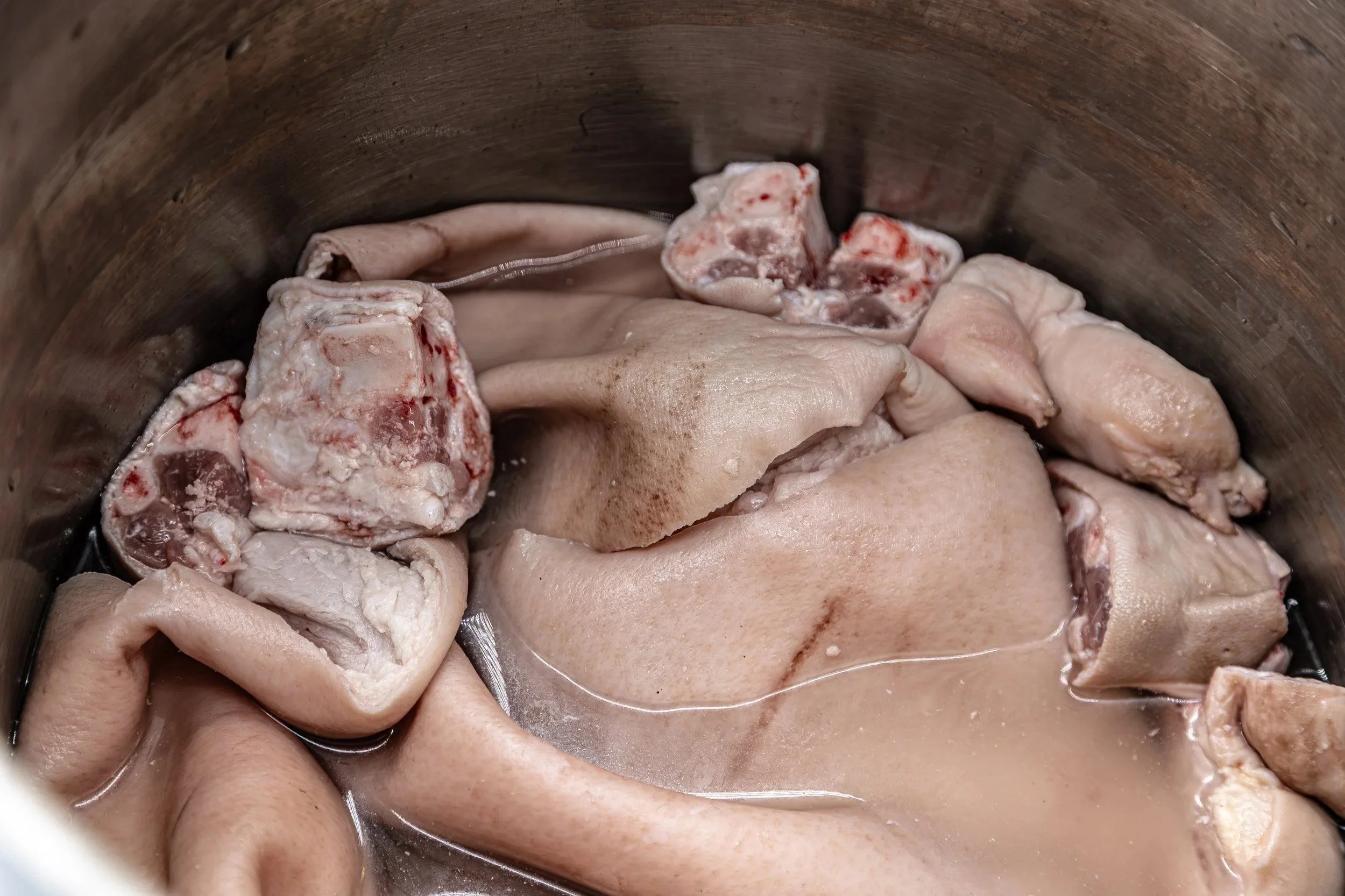
![Gelatin extraction from slaughterhouse by-products.]()
Extraction
Gelatin extraction from slaughterhouse by-products begins with the carcass, the remains of a body. After butchering, the skin, bones, cartilage, and connective tissue are collected. These are rich in collagen, the triple-helix protein polymer that forms the structural scaffold of animal bodies (Liu et al., 2022). I begin by cleaning and degreasing the raw material, since lipids interfere with collagen extraction, then subject it to an acidic or alkaline treatment that disrupts collagen's native structure and makes it accessible (Ahmad et al., 2019). I then heat the material between 60℃ and 100℃ for 7 hours. This hydrolyzes the collagen's peptide bonds, breaking the long polymer chains into smaller soluble fragments known as gelatin. (Schrieber & Gareis, 2007). The triple helix unwinds, the chains fragment, and what was once integral to a living form becomes a liquid that can be mixed, poured, and reformed. The animal does not disappear, it is molecularly redistributed.
-
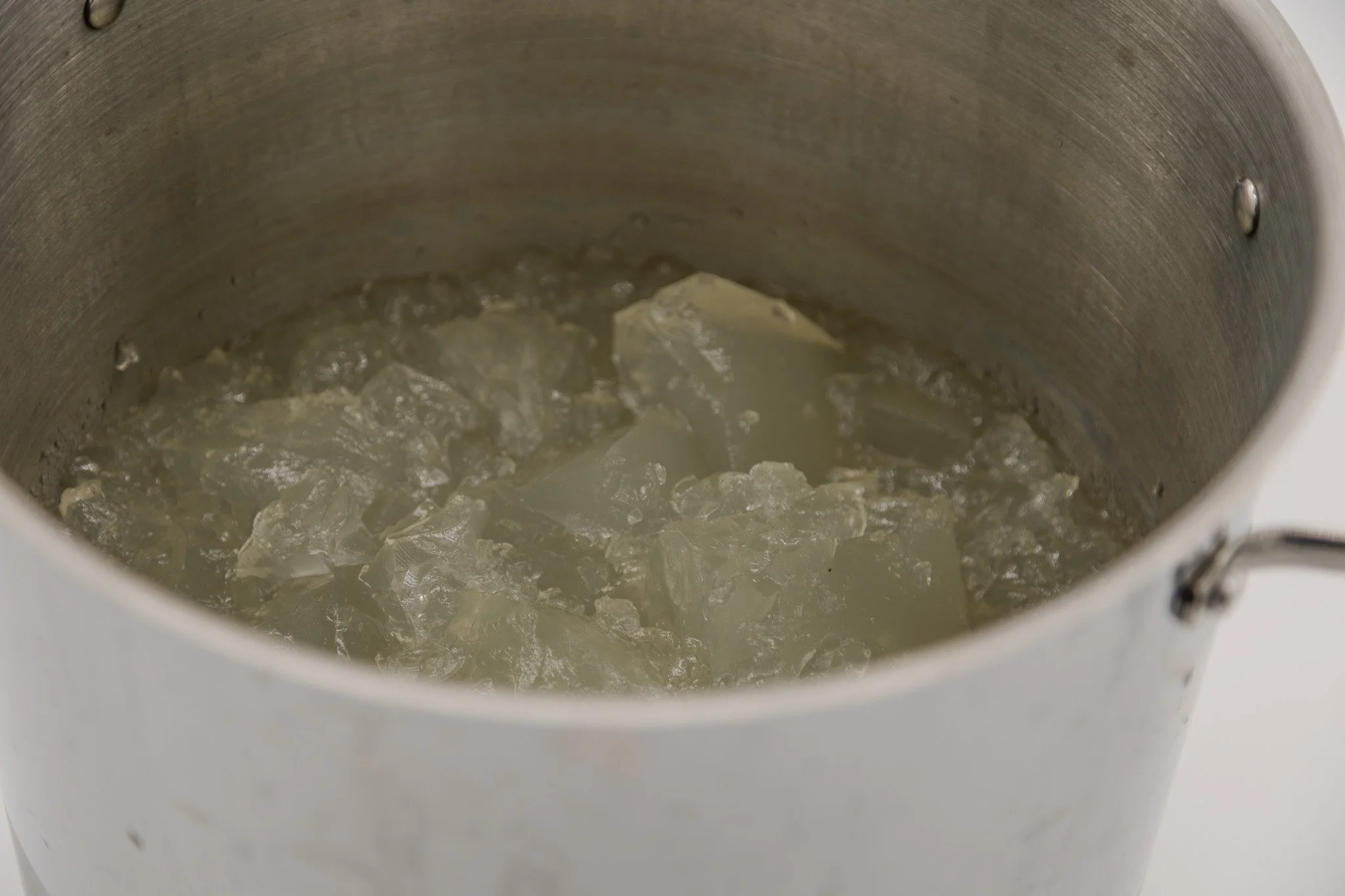
![Collagen-rich broth, gelled during clarification.]()
Clarification
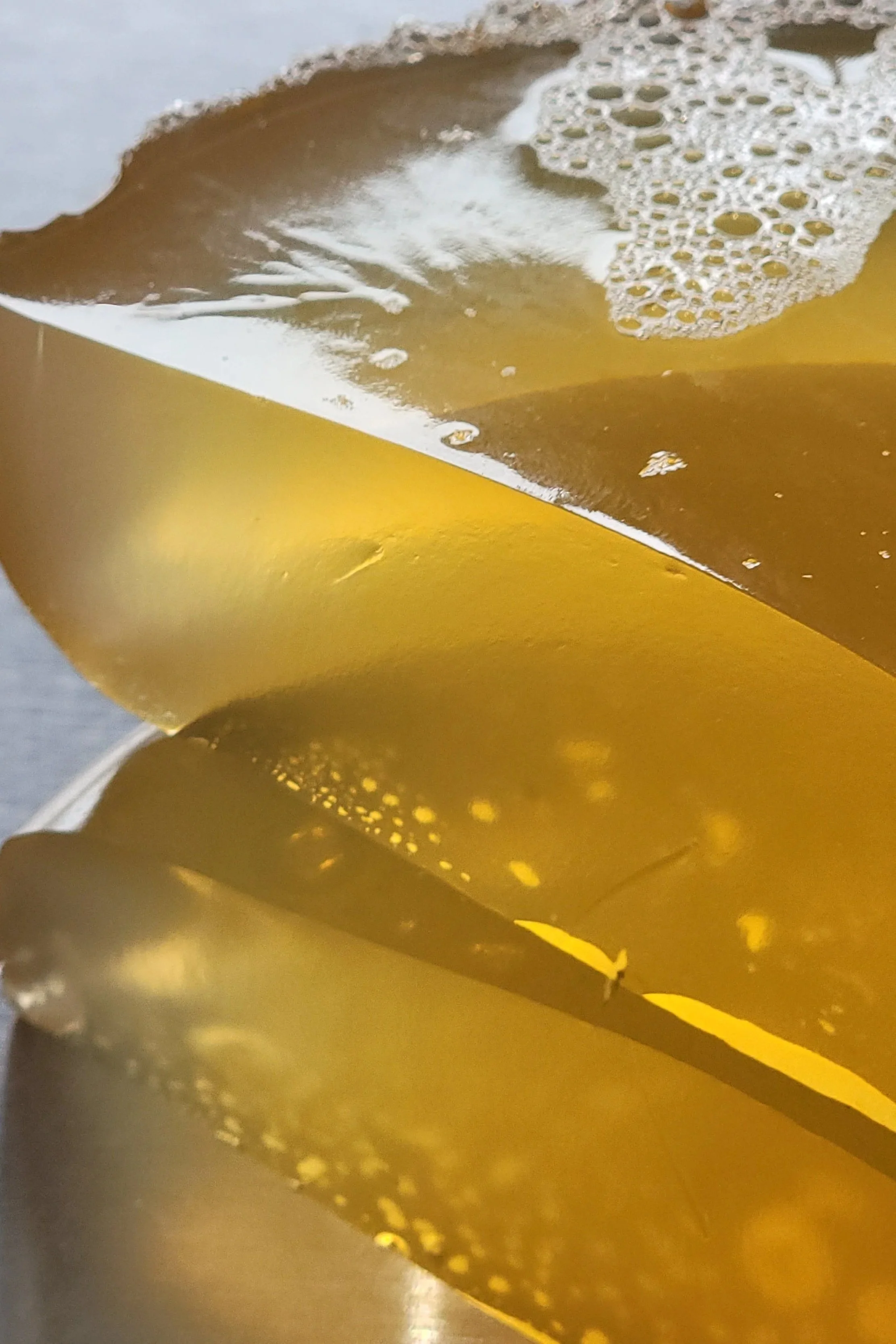
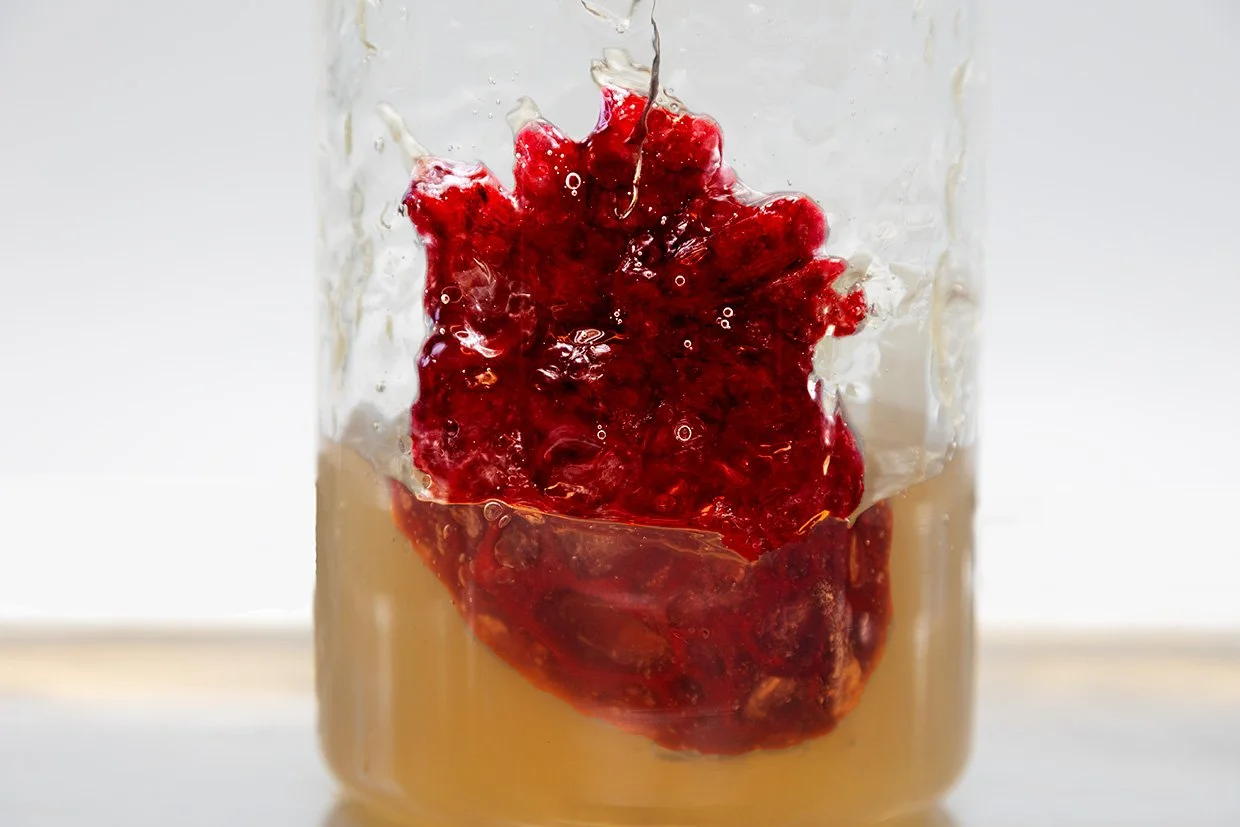
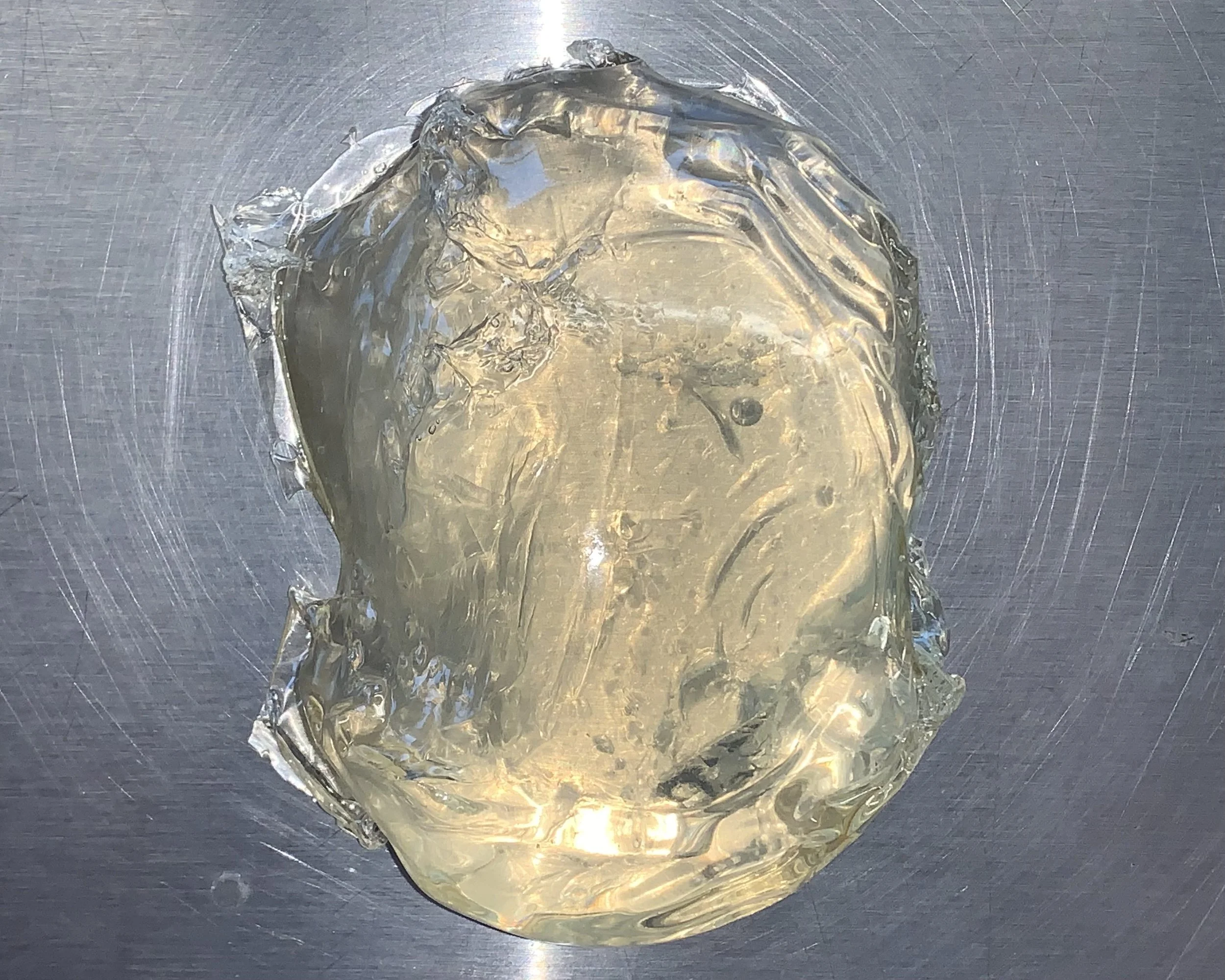
After extraction, the liquid carries everything it passed through. Cloudy, beige, and strongly animal, it is a broth not yet settled into form. I chill it overnight, letting the fat rise so I can lift it away and reveal the collagen-rich broth below. I remelt and filter it through mesh, cheesecloth, and activated charcoal, removing particulates and discolouration while leaving an amber liquid still faintly animal in smell (Schrieber & Gareis, 2007).
This is clarification, the removal of the animal's visibility rather than the animal itself. What industry calls purity, I understand as disappearance, the material made legible as substance rather than body, translucent enough to serve even as a wound-ballistics tissue simulant (Fackler & Malinowski, 1988). I hold the clarified liquid up to the window sometimes. It has the luminosity of skin over a lamp. The animal is still there, made quiet.
-
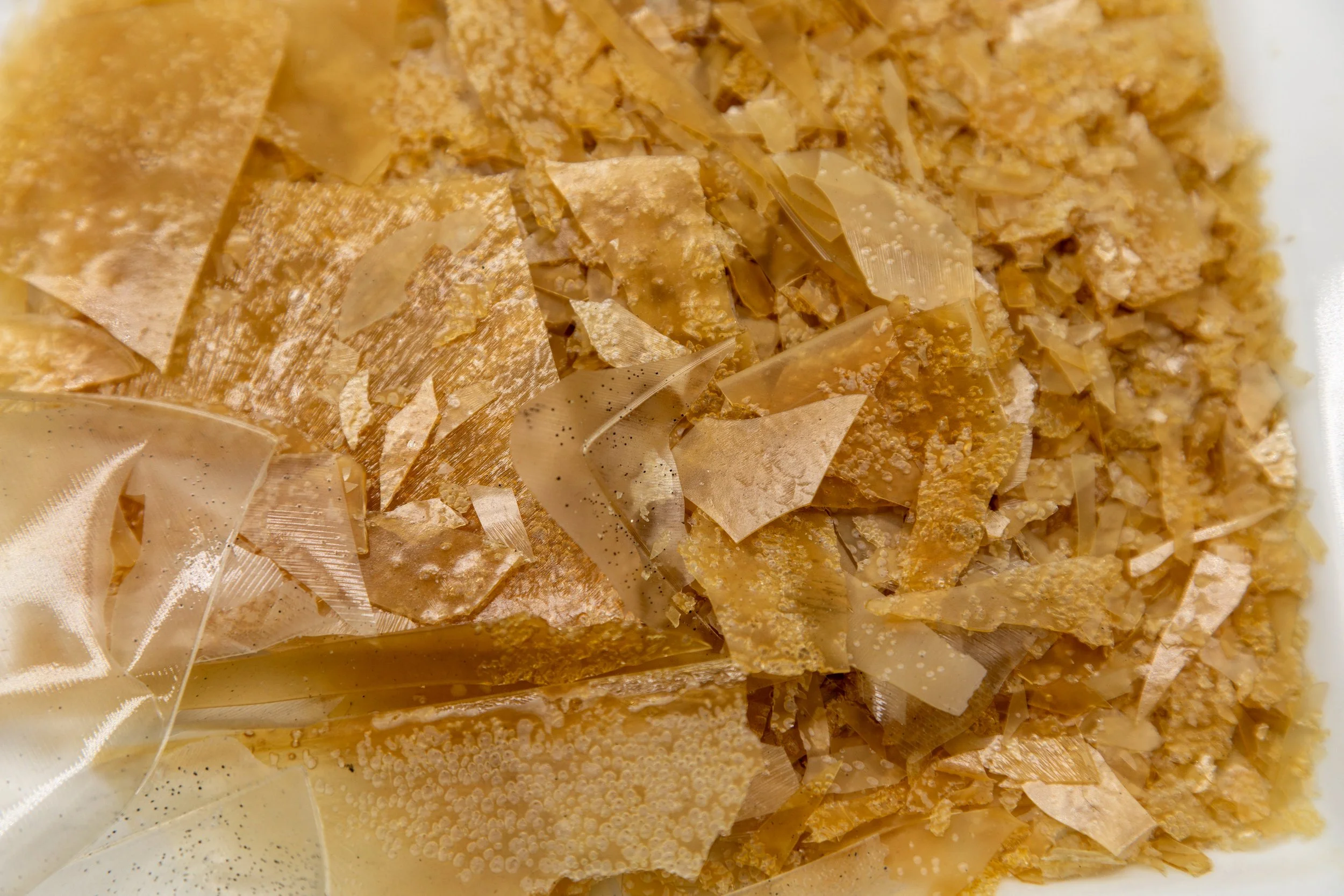
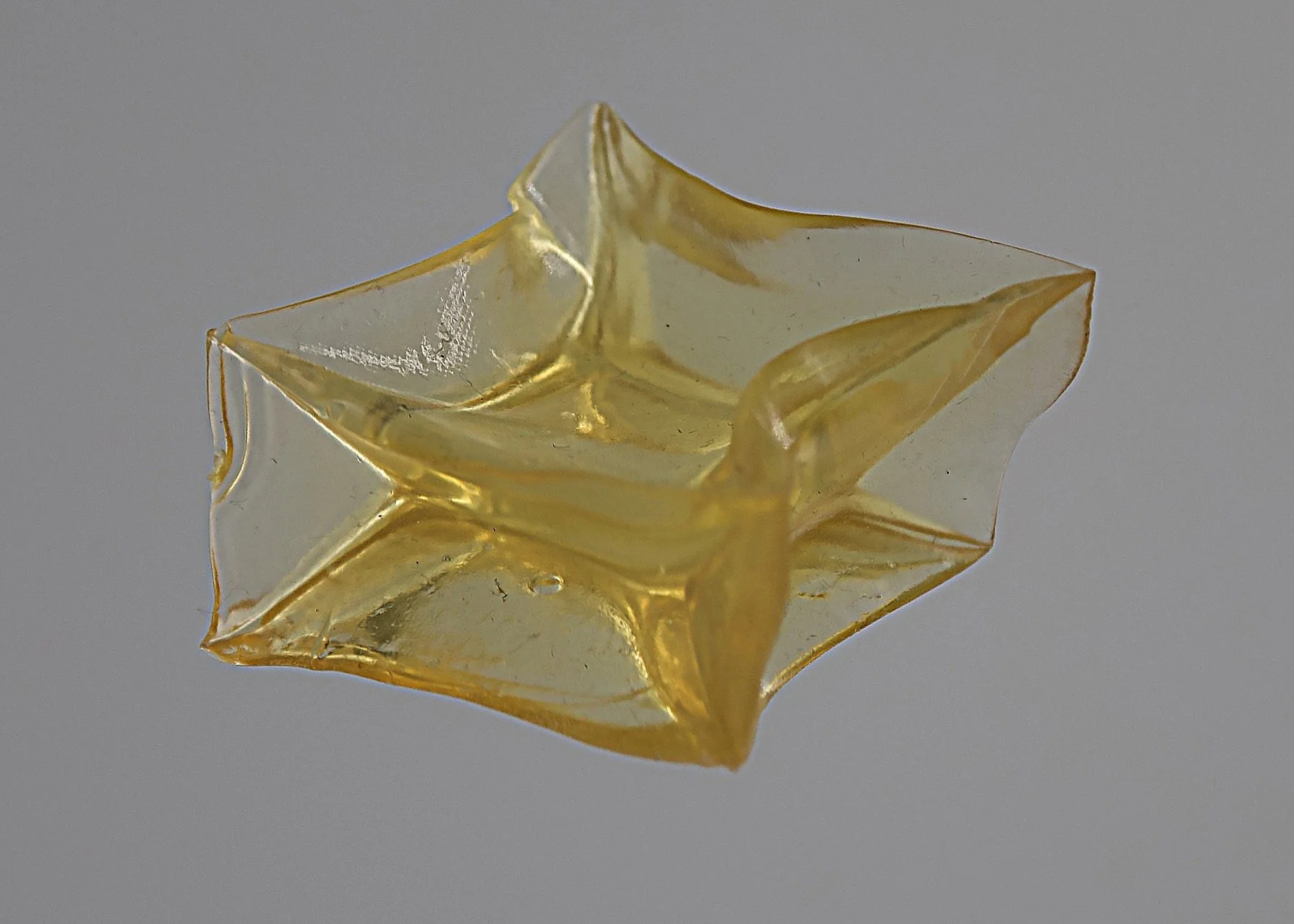
![Clarified gelatin dried into crystalline flakes, then ground to powder.]()
Concentration
The filtered gelatin solution is then concentrated through evaporation, removing excess water and intensifying its protein density. I dehydrate the liquid into brittle translucent sheets, grind them into powder, and store the dormant protein chains until hydration reactivates them.
Unlike commercial gelatin powders standardized for industrial use, this material carries the specificity of its source, the amino acid profile of the animals it came from, where they feed, who loved them, the slight variations in molecular weight distribution, the residual minerals from their bones (Ahmad et al., 2019). Concentration is not merely the removal of water, it is the creation of a material that can be precisely measured, rationed, reformulated. The powder sits inert but stored in its molecular structure is the capacity to gel, to bind, to resurrect and take on form again.
-
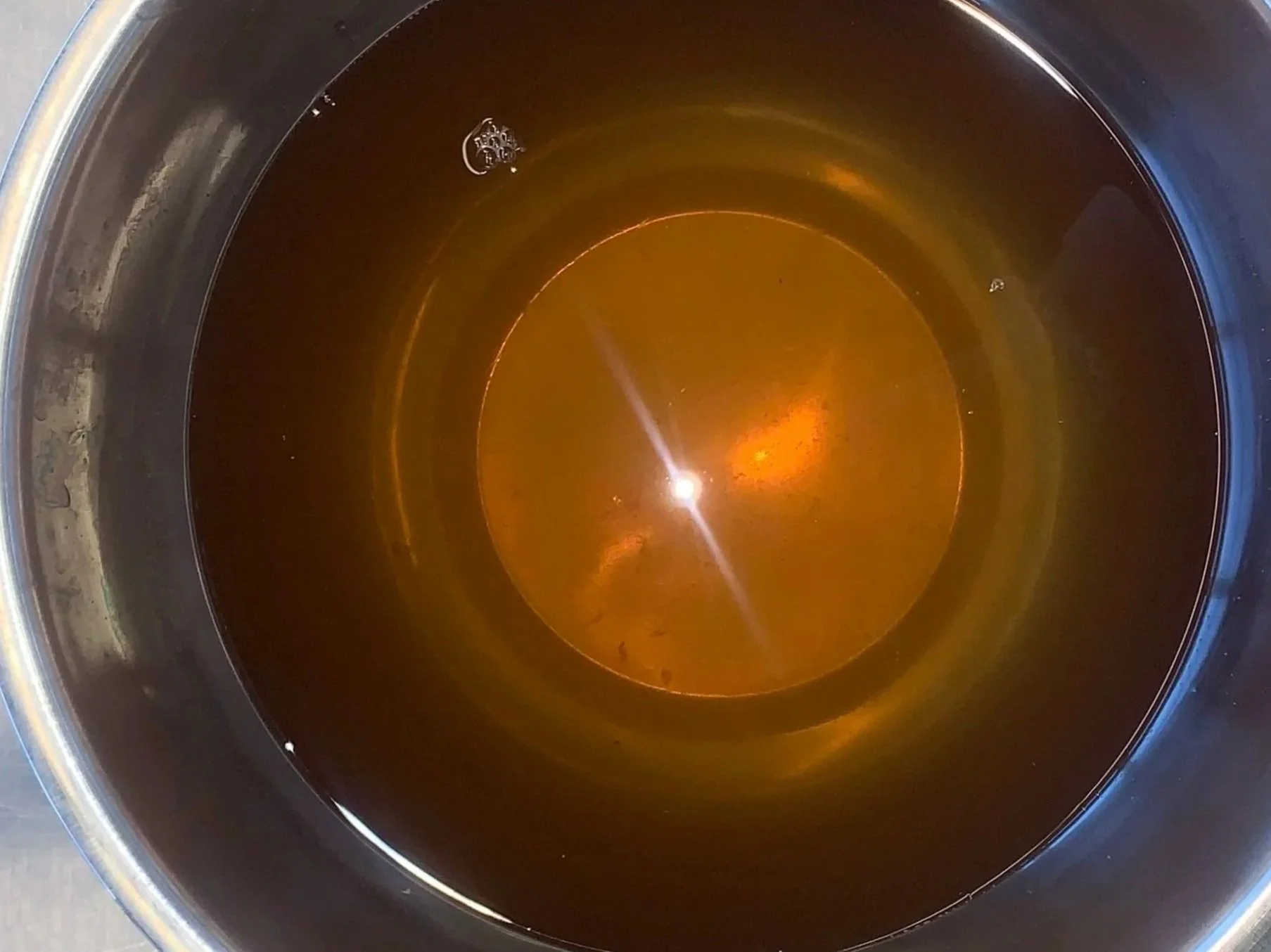
![Rehydrated, warmed gelatin formulated to modify its behaviour.]()
Recomposition
I approach the reformulation of these polymers like an alchemist, a material engineer, a tanner, traditions that understood chemistry as transformation, as the manipulation of matter's inherent tendencies, each grounded in molecular modification rather than external imposition. Rehydration redistributes the polymer network in water. With glycerin as a plasticizer, I can modulate the formula’s flexibility by disrupting and elongating intermolecular cohesion (Zhan et al., 2024). Crosslinking agents operate through distinct chemical mechanisms, vegetable tannins establish hydrogen bonds and hydrophobic interactions between collagen peptides, while metallic salts (ferrous oxide, aluminum sulfate) generate ionic bridges that confer structural stability (Harlan & Feairheller, 1977; Stevenson et al., 2019; Teklemedhin et al., 2023). This practice requires a lot of experimentation. For this research, I systematically performed and documented a variety of formula prototypes, techniques, and gelatin-to-glycerin ratios to best understand the molecules I work with, by studying their material behaviour across axes of elasticity/rigidity, transparency/opacity, permanence/degradation.
-
![Gelatine hydrogel, contracting into organic geometries]()
Incarnation
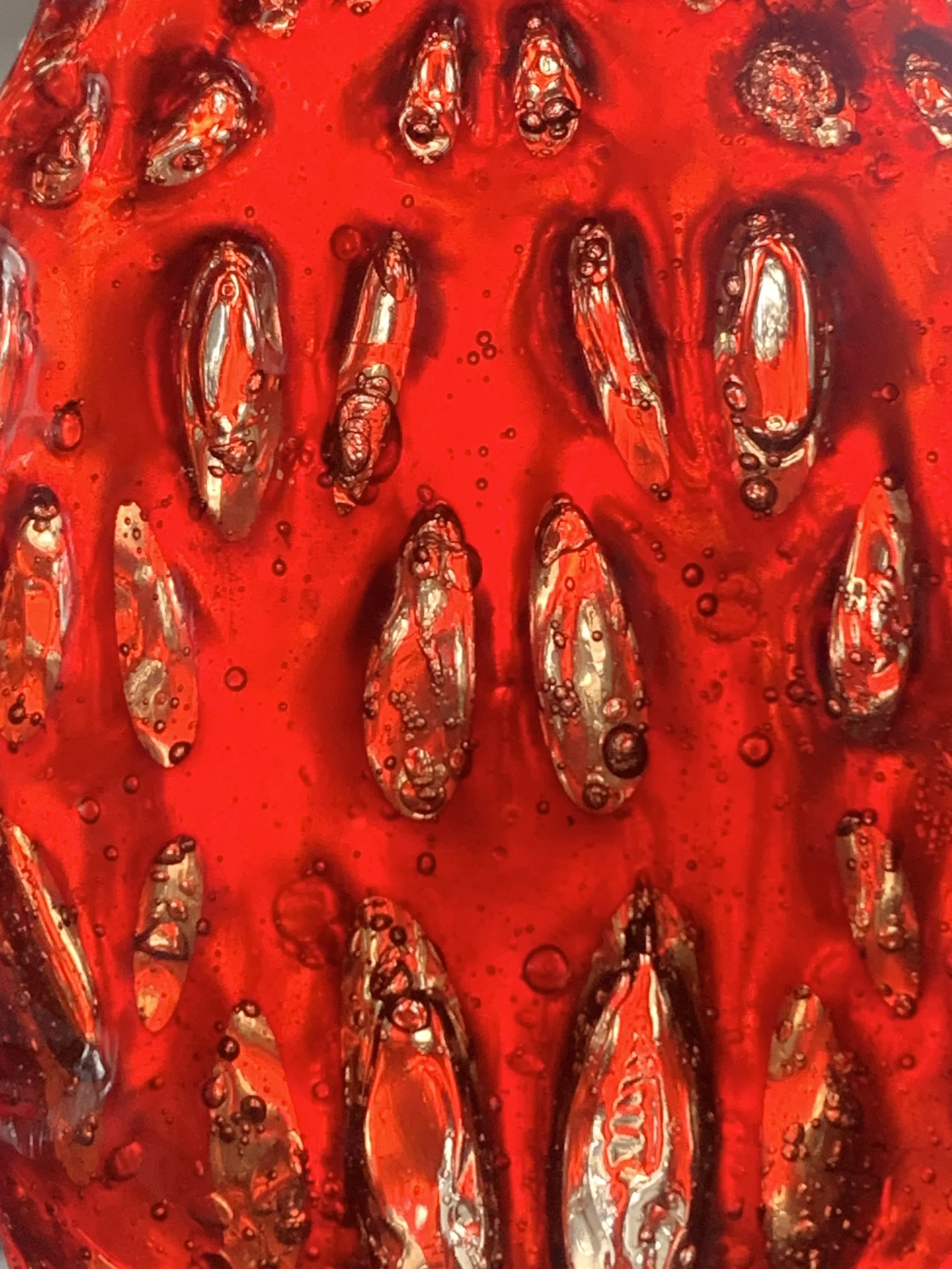
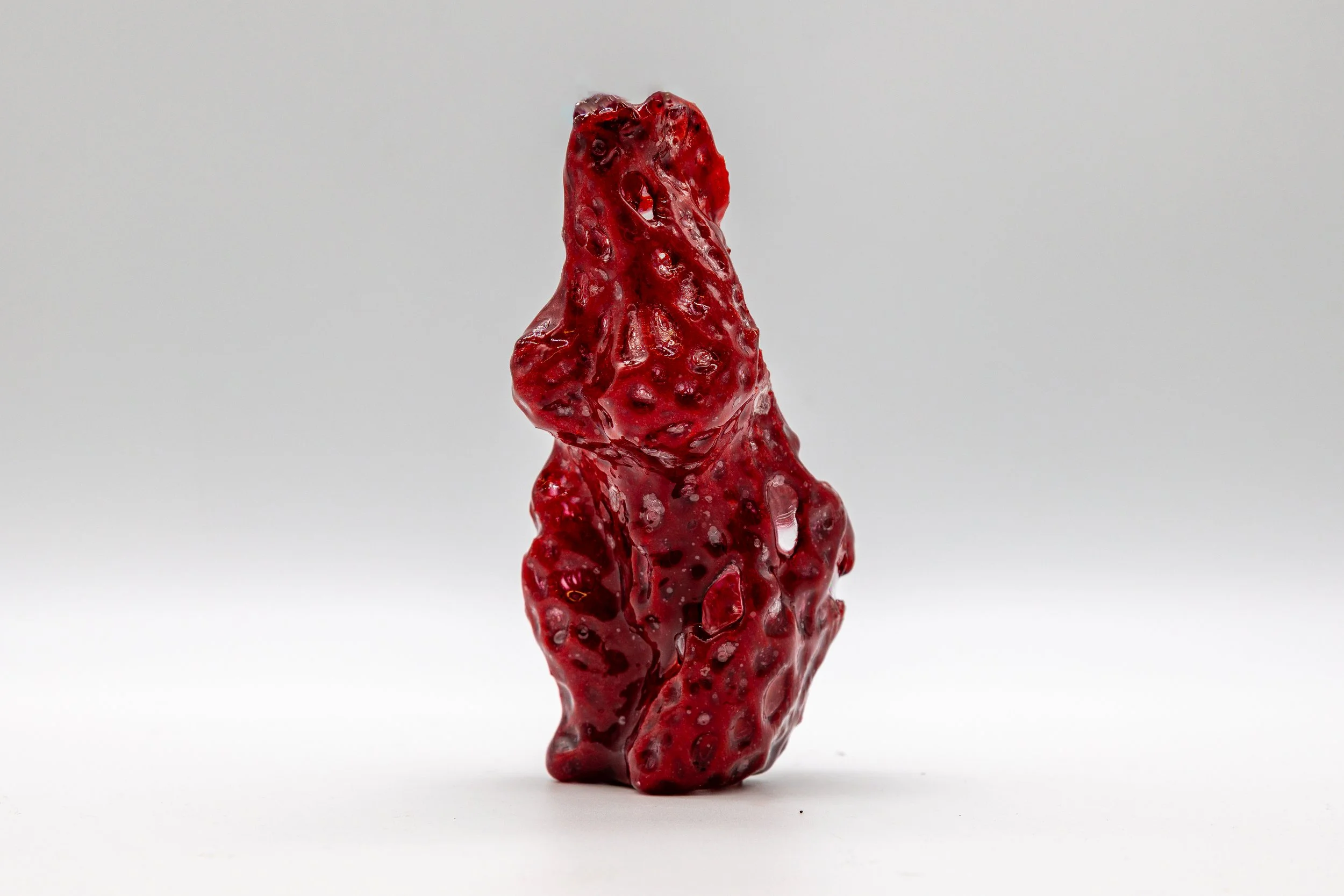
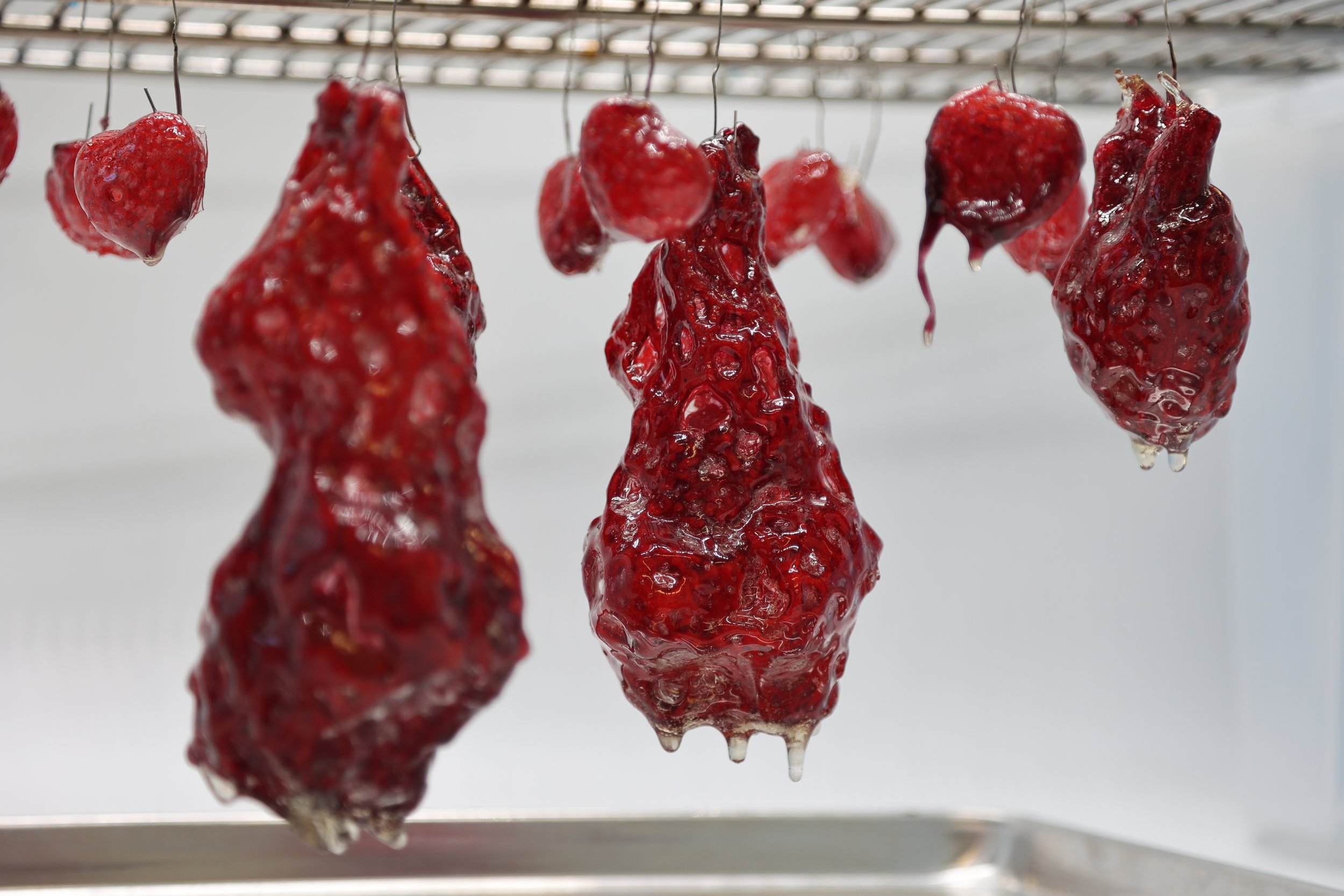
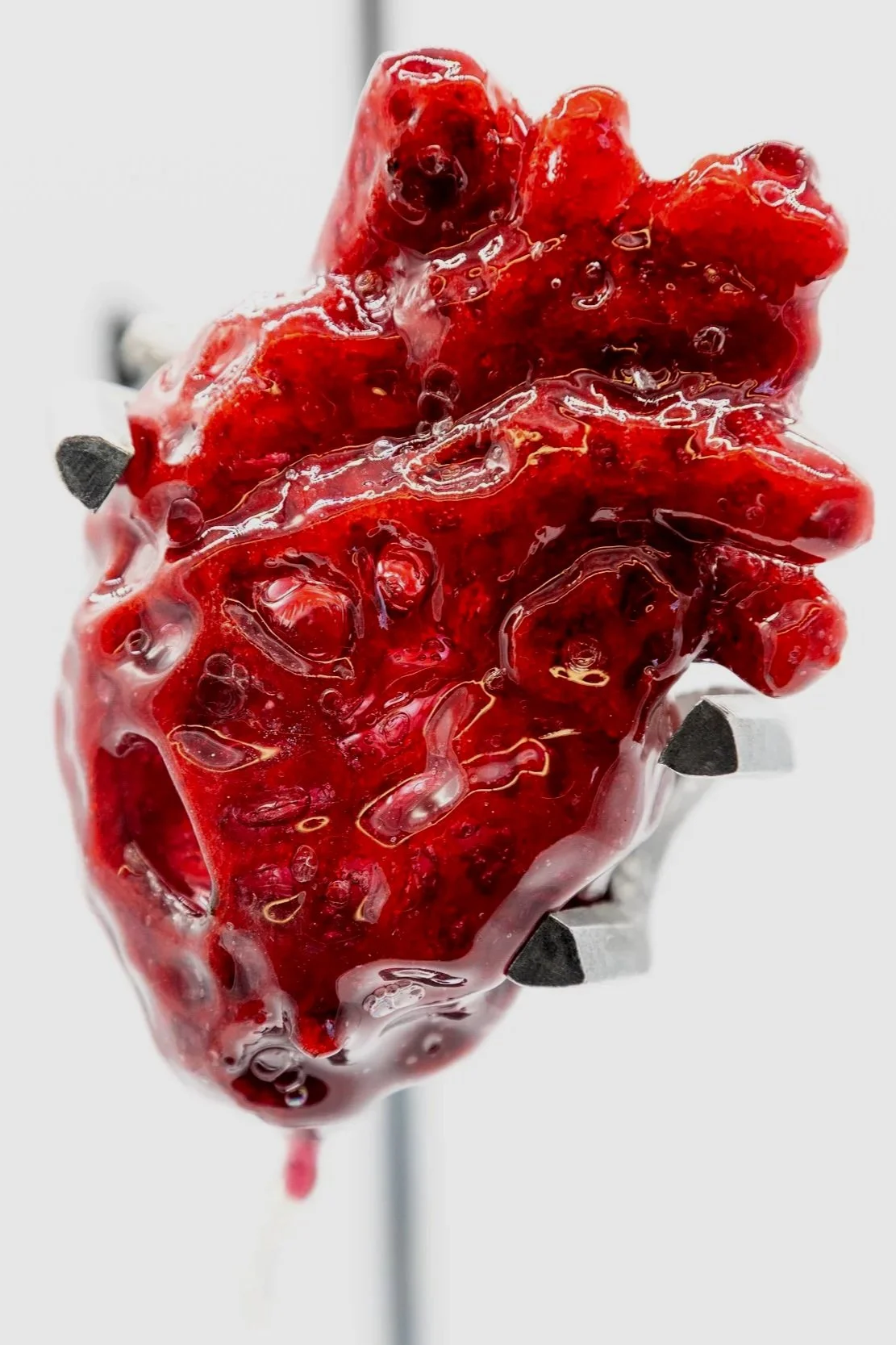
The hydrogel's transformation from molecular solution to sculptural artifact enacts a deliberate collapse between biological matter and cultural signification. Molding, dipping, and layering techniques corporealize the material, making it familiar and exposed. Each form channels a specific register, tumorous forms evoke uncontrolled growth; the Fleshlight illuminates carnal intimacy through animal-derived polymers, the Dolls embody aspirational physicality and the desire for consumption; and ballistic simulators instrumentalize tissue as a surrogate receptacle for rehearsed violence. Each incarnation is materially haunted.
The animal persists as a distributed presence across objects that refuse erasure, never a reconstituted whole. Into these casts I embed other residual materials haunted by transfeminine embodiment, human hair, pearls, acrylic nails, depilatory wax, and estradiol valerate. The form holds the residue of the body it references rather than merely resembling it.